Trends noted from currently published studies include decreased total glutathione and increased GSSG in children with autism spectrum disorders with no association found between homocysteine or cystathione in these children
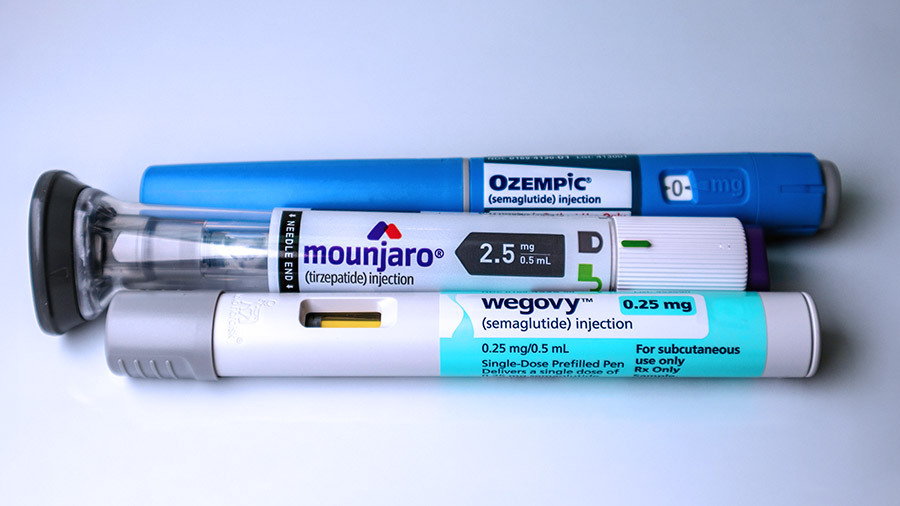
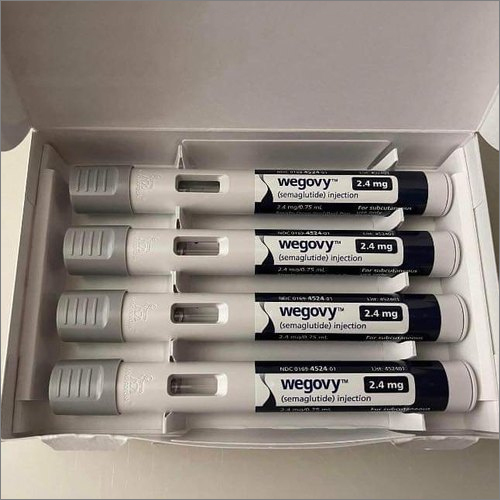
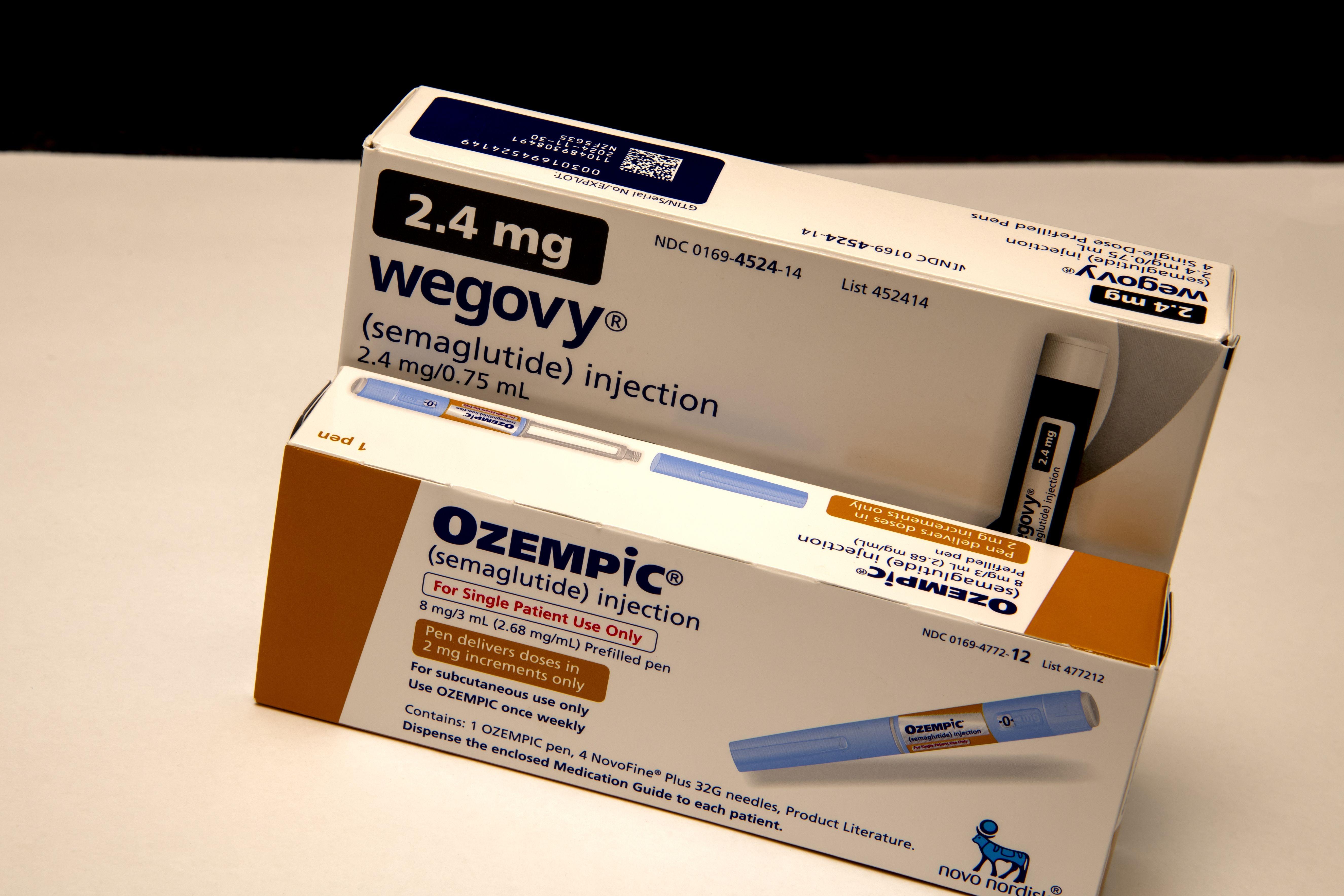
Initially approved for type 2 diabetes (T2D) treatment, they were later found to influence appetite regulation (145, 146) by regulating activity in hedonic brain regions like the insula and orbitofrontal cortex changing food preference (147), therefore, leading to their approval for obesity and diabetes management (148150)
As a digital provider we constantly review our prescribing to stay in line with national and manufacturers guidance in combination with suitability for remote services
Results vary by individual and depend on medication type, dosage, adherence, and lifestyle factors
For deeper context on individual compounds covered in this stack, explore: Epitalon and the Science of Ageing Meto's detailed review of the telomere evidence Humanin and SHLP-2: The Mitochondrial Peptides for the mitochondrial layer of longevity Mitochondrial Peptides and Insulin Resistance the metabolic-longevity intersection Peptide Therapy After 60 senior-specific dosing and safety considerations Peptides for Men Over 40 the hormonal restoration framework Conclusion A longevity peptide stack protocol represents one of the most mechanistically sophisticated approaches currently available in clinical anti-aging medicine
It mimics glucagon-like peptide-1, a hormone the gut releases after eating, and binds the same receptor the body uses to signal fullness, slow how quickly the stomach empties, and prompt the pancreas to release insulin when blood sugar rises